
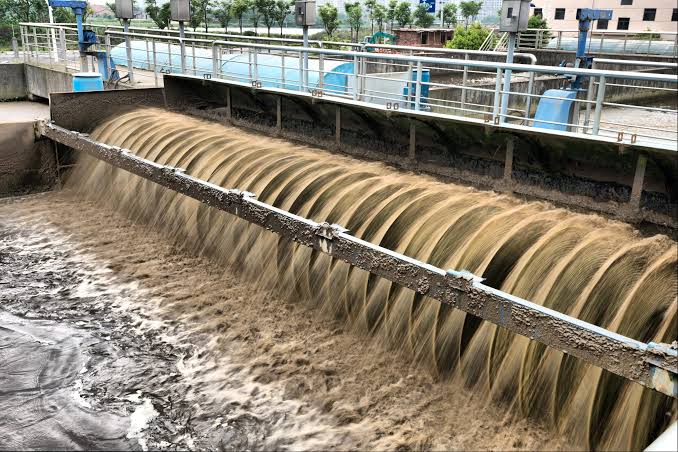
Industrial sludge dewatering is the process of removing excess water from sludge generated during wastewater treatment and industrial processes. The main objective is to reduce sludge volume, improve handling, lower transportation and disposal costs, and prepare the sludge for further treatment or recovery.
Industries such as pharmaceuticals, chemicals, food processing, textiles, paper, automotive and municipal wastewater treatment generate significant quantities of sludge. Efficient sludge management therefore plays an important role in maintaining operational efficiency and environmental compliance.
How Does Industrial Sludge Dewatering Work?
Sludge dewatering separates water from solid particles using mechanical, chemical or thermal processes. Depending on the characteristics of the sludge and the required final moisture level, different technologies can be used.
A typical dewatering process involves:
- Sludge Collection – Sludge is collected from wastewater treatment or industrial processes.
- Conditioning – Chemicals such as polymers may be added to improve the separation of water from solids.
- Dewatering – Equipment removes free and bound water from the sludge.
- Solid Collection – The dewatered sludge is collected in the form of cake or concentrated solids.
- Further Treatment or Disposal – The resulting material may be dried, reused, recovered or disposed of according to its characteristics.
Applications of Sludge Dewatering
Industrial sludge dewatering is commonly used in:
- Chemical and dye industries
- Pharmaceutical manufacturing
- Food and beverage processing
- Textile industries
- Paper and pulp manufacturing
- Cement industries
- Automotive manufacturing
- Municipal wastewater treatment
- Industrial wastewater treatment plants
Benefits of Effective Sludge Dewatering
Proper sludge dewatering can provide several operational and economic benefits:
Reduced Sludge Volume: Removing water significantly decreases the overall volume of sludge.
Lower Transportation Costs: Less water means lighter and more compact material, reducing transportation requirements.
Improved Handling: Dewatered sludge is easier to collect, transport and manage.
Lower Disposal Costs: Reduced sludge volume can help minimize disposal expenses.
Better Resource Recovery: Depending on sludge composition, further processing may enable energy or material recovery.
Improved Environmental Management: Efficient sludge treatment supports responsible waste management and helps industries meet applicable environmental requirements.
Factors Affecting Dewatering Performance
Dewatering performance can vary significantly depending on the characteristics of the sludge. Important factors include:
- Sludge composition
- Particle size
- Moisture content
- Organic and inorganic content
- Chemical conditioning
- Polymer selection and dosage
- Equipment selection
- Operating pressure or speed
- Feed concentration
- Temperature
Selecting the appropriate dewatering technology requires understanding the sludge characteristics and the desired final moisture level.
Conclusion
Industrial sludge dewatering is an important part of modern wastewater and waste management systems. By reducing water content and sludge volume, industries can improve handling, reduce costs and create better opportunities for further treatment or recovery.
A properly designed sludge management system should consider the type of sludge, required moisture level, operating conditions, energy consumption and final disposal or recovery method.
